2026-10-11 ·
How Ice Dams Damage Roofs in St. Cloud
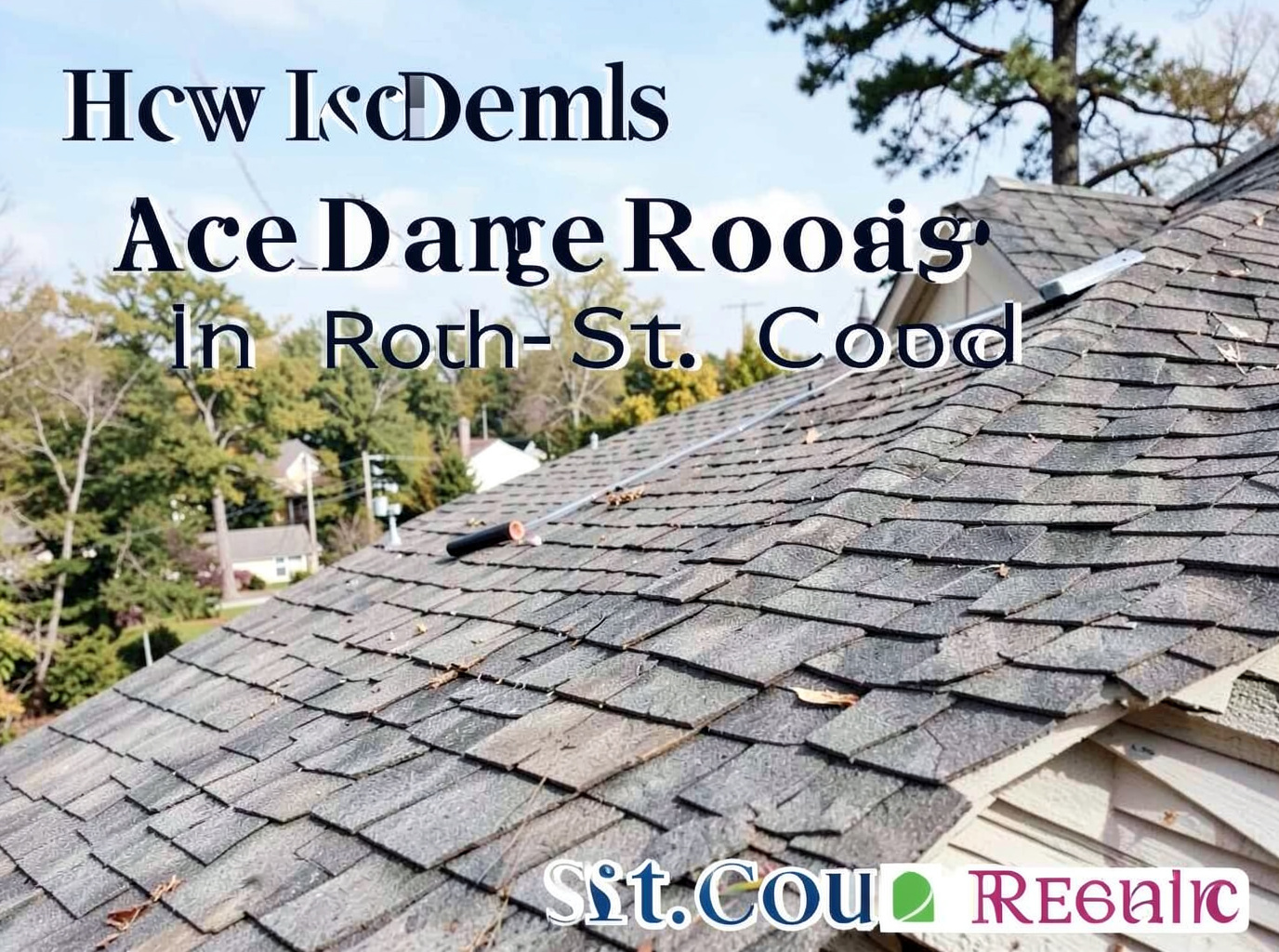
Ice dams damage roofs in St. Cloud when snow melts from attic heat loss then refreezes at the eaves, creating a barrier that drives water under shingles and into the attic or living spaces. This process repeats through multiple freeze-thaw cycles common from December through March in Stearns County.
How Ice Dams Form Over St. Cloud Homes
St. Cloud winters bring heavy snow followed by days above freezing then sharp drops below 20°F, which sets up the exact conditions for ice dams on homes in Downtown St. Cloud, Southside-University, and Pantown. Poor attic insulation allows indoor heat to escape through the roof deck, melting the snow layer directly above living areas while the outer roof edge stays below freezing. Gutters packed with ice or debris worsen the backup because water has nowhere to drain. Homes built before the 1990s in Seberger-Roosevelt and North St. Cloud often have R-19 or less insulation, making them especially prone compared with newer builds in Sartell or Sauk Rapids.
The Step-by-Step Damage to Shingles and Underlayment
Once the ice dam reaches 4–8 inches thick, meltwater pools behind it and seeps under the shingle edges or through nail holes. In St. Cloud this water travels several feet up the roof slope before dripping into the attic, soaking insulation and ceiling drywall. Repeated cycles expand and contract the shingles, loosening their seal and shortening roof life by several years. Older asphalt shingles common on Colonial Gardens and West Side homes crack faster under this pressure than newer architectural shingles. Water that reaches the sheathing can also cause rot along the eaves, requiring board replacement during later repairs.
Why Local Terrain and Housing Age Increase Risk
The flat to gently rolling terrain around St. Cloud allows snow to accumulate evenly on roofs, while the Mississippi River valley creates pockets of colder air that prolong ice formation in low-lying neighborhoods. Many single-story ramblers and two-story homes built in the 1960s–1980s in Waite Park and St. Joseph still have original venting that fails to keep the roof deck cold. These homes experience ice dams on south-facing slopes first because daytime sun warms the upper roof while the north eaves stay frozen. Residents in Rice and Foley report the same pattern after heavy March snowfalls followed by rapid warming.
For readers dealing with active leaks, the Ice Dam Removal & Prevention page outlines safe removal methods that protect shingles. The related guide Ice Dams: Why They Cause Leaks & How to Stop Them explains long-term attic fixes that reduce recurrence in St. Cloud homes. When water has already entered living spaces, Emergency Roof Leak Repair details the inspection steps used on properties in North St. Cloud and surrounding towns.