2026-10-11 ·
Ice Dams: Why They Cause Leaks & How to Stop Them
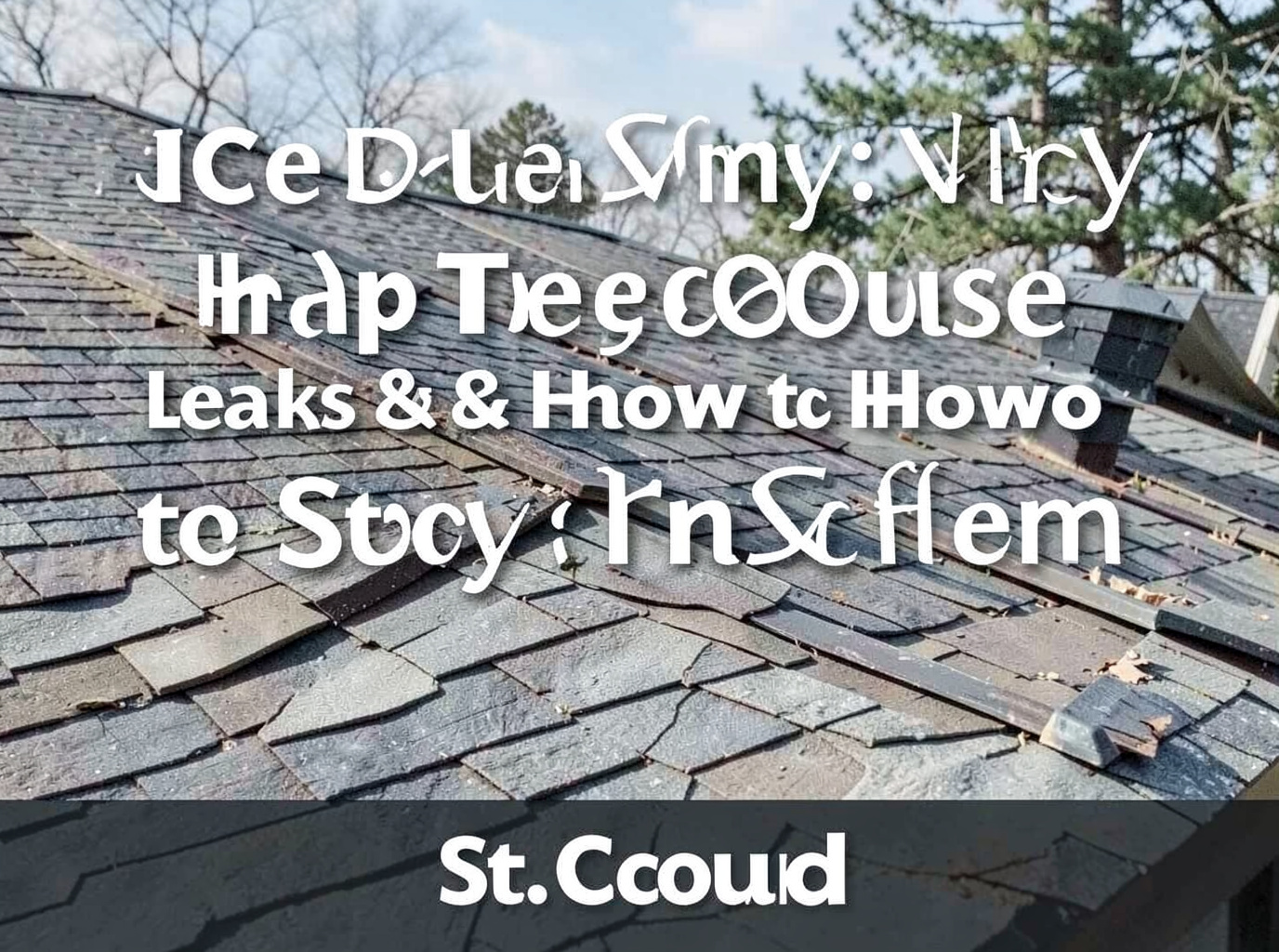
Ice dams cause leaks in St. Cloud when attic warmth melts snow on the upper roof, allowing water to flow under the eaves and seep past shingles into the home. Stopping them requires cutting attic heat loss and managing snow load before the freeze-thaw cycles of January and February repeat the damage.
Why Ice Dams Form on Local Roofs
St. Cloud winters bring repeated freeze-thaw cycles that turn roof snow into ice dams, especially on homes built before 1980 in neighborhoods such as Pantown and Southside-University. Poor attic insulation and unsealed penetrations let warm air rise, melting the snow layer directly above the living space while the eaves stay below freezing. The meltwater then runs down until it hits the cold overhang and refreezes, building a ridge that backs up additional water. Steeply pitched roofs common in Downtown St. Cloud and Colonial Gardens can worsen the problem because snow slides to the lower edges faster. Older homes with single-layer shingles hold heat differently than newer builds, creating the exact temperature difference that starts the cycle. Checking insulation depth and sealing bypasses before the first heavy snow reduces the temperature gradient that drives most local ice dam formation.
How Ice Dams Force Water Into the Attic
Once the ice ridge forms along the eaves, water has nowhere to go except sideways under the shingles. In St. Cloud this often shows up first around chimneys and valleys on homes in Seberger-Roosevelt and North St. Cloud. The backed-up water finds nail holes, shingle gaps, and flashing joints, then travels along the underlayment into the attic or wall cavities. A single dam can push water several feet up the roof slope, reaching areas that stayed dry during normal rain. Shingle roofs older than fifteen years lose granule protection and become more porous, so the same volume of backed-up water creates leaks faster. Homeowners in West Side and Waite Park often notice brown ceiling stains days after the ice melts because the water travels inside the structure before dripping. Prompt roof leak detection prevents the small entry points from turning into widespread ceiling and insulation damage.
Practical Steps to Stop Ice Dams Before They Leak
Start by improving attic ventilation and insulation so the roof deck stays closer to outdoor temperature. Add baffles at the eaves and ensure ridge vents remain clear on homes in Sartell and Sauk Rapids where snow loads are similar. Seal recessed lights, plumbing stacks, and attic hatches with foam or caulk to cut the heat that melts snow from below. On the exterior, keep gutters and downspouts free of debris so meltwater can exit instead of pooling against the roof edge; this is especially useful on properties in St. Joseph and St. Augusta with mature trees. When a dam has already formed, use a roof rake from the ground to remove the lower three feet of snow before it refreezes overnight. For active leaks, temporary tarping or interior water diversion buys time until professional ice dam removal can address the ridge safely. Pair these steps with seasonal checks listed in the St. Cloud Seasonal Roof Maintenance Checklist to catch insulation gaps before winter returns.
When to Call for Roof Leak Repair
If water stains appear on ceilings or walls after an ice dam melts, schedule roof leak detection and inspection rather than waiting for the next storm. Crews familiar with St. Cloud housing stock can trace the path from the eaves upward and identify whether flashing at chimneys or valleys needs repair. Homes in Foley and Rice with limited attic access often require infrared scanning to find hidden moisture. Addressing the entry points before spring prevents mold growth in insulation that stays damp for months. The same crews can also evaluate whether the existing underlayment and shingles can be salvaged or if sections need replacement to restore a continuous water barrier. Keeping the roof watertight now reduces the chance of larger repairs when the next freeze-thaw cycle arrives.